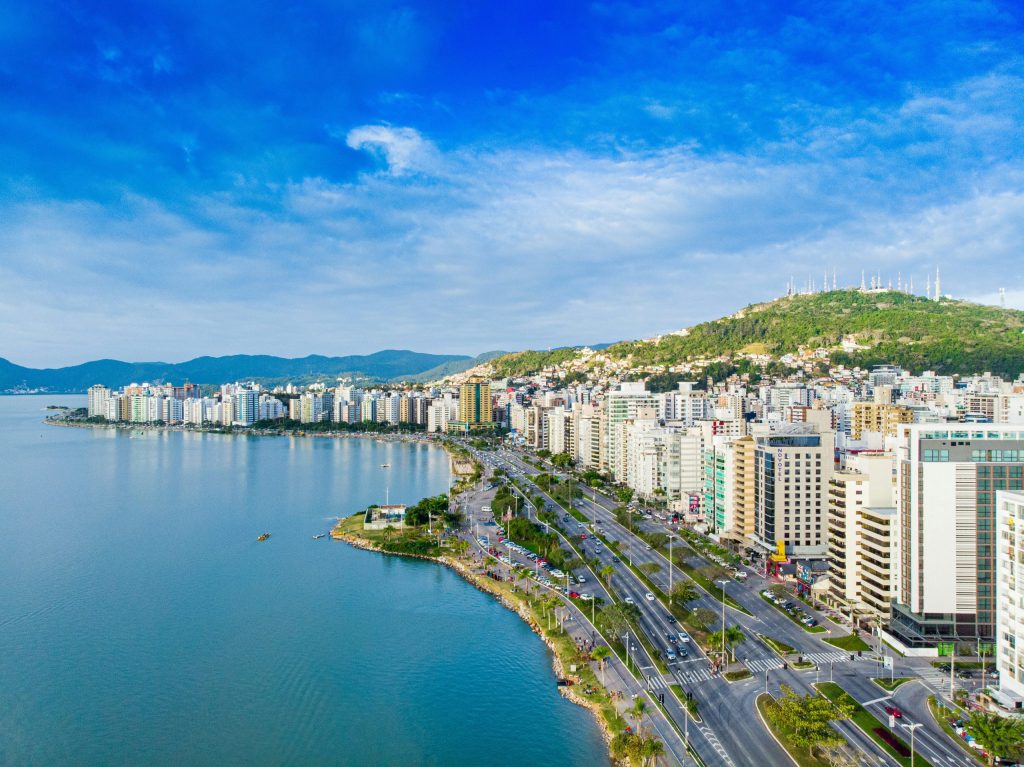

Florianópolis is one of Brazil’s most captivating coastal destinations: a city where beaches, lagoons, green hills, local traditions, and urban life all come together on one island. Known simply as Floripa, the capital of Santa Catarina is famous for its beautiful scenery, outdoor lifestyle, surfing culture, and laid-back atmosphere.
But Florianópolis is much more than a beach destination. Its identity is shaped by Indigenous history, Azorean heritage, distinctive local traditions, and a strong connection to the sea. With more than 40 beaches, scenic trails, fresh seafood, and a rhythm of life that feels both lively and relaxed, Floripa easily lives up to its nickname: Ilha da Magia, the Island of Magic.
One thing that can confuse first-time visitors is that Florianópolis is both a city and, for many travelers, an island experience. The municipality includes most of Ilha de Santa Catarina and also a small mainland area connected by bridges. In practice, people often think of Floripa as having two sides: the city side, centered around downtown and the mainland connections, and the island side, with beaches, lagoons, dunes, and smaller coastal communities.
Contents
Fun-facts about Florianópolis
- It is widely known as “Floripa”,
- Surf culture is huge,
- It has a strong Azorean cultural heritage,
- There are sand dunes you can slide down like a natural playground,
- It’s often ranked as one of Brazil’s best capitals for quality of life,
- Even though it’s most known for its nature, Floripa is one of the biggest tech centers in the country, actually being called as Brazil’s “Silicon Island”,
- Rain tends to not be very predictable but very fast, not ruining much of your outside plans.

How Do You Pronounce Florianópolis?
The name Florianópolis may look complicated at first. Let’s hear it:
Florianópolis 
In everyday conversation, Brazilians frequently shorten the name to Floripa , which is easier to say and widely used across the country.
Where is Florianópolis?
Want to know where Floripa is? Check out the map of Florianópolis below to see where this beautiful island city is located in Brazil.
The First People of the Island and the Sambaquis
Long before the arrival of Europeans, the Island of Santa Catarina was inhabited by Indigenous peoples, especially groups connected to the Guarani cultural world and earlier coastal populations.
One of the most fascinating traces of these ancient communities is the presence of Sambaquis: enormous archaeological mounds made primarily of shells, bones, and organic materials accumulated over thousands of years. They were built by prehistoric coastal populations who lived from fishing, gathering shellfish, and navigating the sea.
Some sambaquis found around Florianópolis and the Santa Catarina coast are over 5,000 years old, making them among the oldest archaeological sites in Brazil. These mounds served multiple purposes: living spaces, ceremonial areas, and burial grounds.
Azorean Culture
During the 18th century, settlers from the Azores Islands arrived, founding fishing villages and shaping many of the cultural traditions that still define Florianópolis today. Their influence appears in local cuisine, architecture, religious festivals, folklore, and traditional fishing practices.
Originally called Nossa Senhora do Desterro, the city changed its name in 1894 to Florianópolis, honoring Marshal Floriano Peixoto, the second president of Brazil (from 1891 to 1894) during the early republican period. Even today, many small coastal communities around the island maintain strong ties to Azorean traditions.
Why Florianópolis Is Called “Ilha da Magia”
One of the most famous nicknames of Florianópolis is Ilha da Magia, meaning Island of Magic.
The name comes from the island’s mix of breathtaking landscapes, local legends, and Azorean folklore. Stories about witches, mystical creatures, and supernatural happenings have long circulated among local communities, especially in fishing villages and remote parts of the island. These legends became part of the island’s identity and cultural imagination.
Today, the nickname reflects not only folklore but also the experience many visitors experience: with a combination of nature, ocean views, hidden beaches, and relaxed island life, Floripa actually does feel magical.
The Manezinho Accent
People born on the island are affectionately called Manezinhos or Manezinhos da Ilha. The word originally referred to descendants of Azorean settlers and traditional fishing families. Over time, it became a proud cultural identity.
The Manezinho accent is very distinctive within Brazil. It has melodic rhythms, unique vocabulary, and expressions influenced by Azorean Portuguese. Locals speak with a distinctive rhythm and use many expressions shaped by centuries of local culture. You may also notice the abundant use of diminutives -inho and -inha, so common in everyday speech.
Some words and expressions in Manezinho accent (“Manezinhês”)
Arrombassi – you’ve done well/great
Baita – cool/nice/beautiful
Bucica – dog, specially strays or underdogs
Ishtepô – someone that gets in the way of something
Mandrião – a lazy person
Côza mash quirida – to say something is beautiful or cute
Tash tôlo? – contrariety, “Are you crazy?”
Doish toque – something is easy or quick to do
Cu de increnca – quarrelsome
Dazum banho – to tell someone they’re great at doing something
Mofash ca pomba na balaia – don’t hold your breath, don’t count on it
Weather, Geography and Nature
Florianópolis is located in southern Brazil, in the state of Santa Catarina. The city lies between Curitiba and Porto Alegre (indirectly) and about 700 km south of São Paulo. Floripa uses Brasilia’s official time (BRT – UTC -3) and does not adopt daylight saving time.
The city occupies the whole of the island called Ilha de Santa Catarina and also extends onto a small area of the mainland. The island and the mainland are connected by two bridges, one of them the famous Hercílio Luz Bridge, one of the city’s most recognizable landmarks, used only by pedestrians and cyclists rather than regular vehicle traffic.
The island stretches roughly 54 km north to south and about 18 km at its widest point. So planning your visit and transport is especially important as crossing the island from north to south might take up to 4 hours. Its population of around 500,000 is concentrated mainly in the central area, while many smaller communities are spread across the island among large stretches of preserved natural landscape.
Florianópolis has a humid subtropical climate, meaning seasons are more defined than in tropical Brazil.
Summer (December to March) is hot and lively, with temperatures often above 30°C. Beaches fill with visitors, and nightlife becomes particularly active.
Spring and autumn bring pleasant temperatures and fewer crowds, making them ideal for outdoor exploration.
Winter is cooler but still attractive for hiking, sightseeing, and enjoying the island’s food scene.
Mangroves and Wetlands
One of the most important ecosystems in Florianópolis is the Manguezal do Itacorubi, a vast mangrove area located near the city center. It is one of the largest urban mangroves in Brazil.
Mangroves are coastal ecosystems where freshwater rivers meet the ocean. They are extremely important for biodiversity, acting as natural nurseries for fish, crabs, birds, and many other species. The Itacorubi mangrove plays a crucial ecological role for the island and serves as an important natural reserve within an urban environment.

Mountains and Coastal Plains
The island is not flat. A central mountain ridge runs through much of Florianópolis from north to south. These hills are covered with Atlantic Forest vegetation and divide the island into several coastal regions.
Because of this mountainous terrain, the island developed as many small coastal communities separated by hills, rather than one continuous urban area. This geography helped preserve nature and traditional groups, and also explains why traveling between beaches sometimes takes longer than the map suggests.
Beaches, Lagoons and Dunes
As an island, Floripa has beaches all around. Literally. There are more than 40 beaches, and each one has a different atmosphere. The ones facing the continent are calm, with very still water, and the ones to the ocean side are known for the waves and tend to have more social activity.
One of the most striking geographic features of the island is Lagoa da Conceição, a large lagoon located near the center of the island. It is also a hub for restaurants, nightlife, water sports, and tourism.
Near the lagoon, connecting it to Joaquina beach, are the famous sand dunes of Joaquina, where strong winds shape massive dunes that attract visitors for sandboarding and scenic views.

Arriving in Florianópolis: Airport, Traffic and Places
The city is served by Hercílio Luz International Airport (FLN), located in the southern part of the island. It connects Florianópolis with major Brazilian cities such as São Paulo, Rio de Janeiro, Brasília, and Porto Alegre, as well as some international destinations depending on the season. From the airport, travelers can reach their accommodation by Uber or ride-hailing apps, taxi services, airport transfer services, rental cars, and buses.
Getting Around Florianópolis
The Center is close to the only bridge that connects the island to the continent by land, so if you’re planning to explore other cities in Santa Catarina (like Blumenau or Balneário Camboriú), you should find hosting at around the Center for easier access, while the airport is far south, taking up to two hours to get there.
Aside from the size of Ilha de Santa Catarina, the Azorean colonization left its characteristic narrow streets that also impact the flow of traffic.
Uber and ride-hailing apps are widely used.
Local buses connect all of the island. Only payment in cash is accepted, or with a pre-paid (with cash) card for embark, with a lower fee than if you pay directly to the driver. Tourists can also make a prepaid card.
Renting a car can be useful if you plan to explore multiple beaches and regions.
Some central neighborhoods and beach areas are walkable once you arrive.
What to Do in Florianópolis
Beaches
The island is famous for its variety of beaches: some have calm water ideal for swimming, while others attract surfers due to their strong waves. Each beach offers a different atmosphere, from lively beach bars to quiet natural landscapes. Spending time exploring different beaches is one of the best ways to experience the island.
Some of the most popular and lively beaches include (mostly at North and East of the island):
- Jurerê Internacional – known for beach clubs, luxury houses, and nightlife
- Canasvieiras – popular with families and tourists
- Praia dos Ingleses – lively, with many hotels and restaurants
- Praia Mole – famous for surfing and younger crowds, with fluffy sand that makes a squeaky noise when you walk on it
- Joaquina – known for surfing and large sand dunes
For those seeking quieter landscapes, the island also offers more remote beaches (mostly at South):
- Lagoinha do Leste – one of the most beautiful and wild beaches on the island
- Praia do Matadeiro – peaceful and surrounded by nature
- Praia da Solidão – calm and less crowded
- Naufragados – remote and historically fascinating
Lagoa da Conceição and Dunas da Joaquina
The lagoon is one of the most vibrant areas in Florianópolis. Either for swimming or for enjoying the restaurants with local seafood cuisine, the area breathes with life and culture.
Vast sand dunes near the lagoon, amongst wetlands and connecting to the Joaquina beach, also attract visitors interested in sandboarding and scenic walks.
City center

Easy to go around and with all the services and options you’d want.
The historical center of Florianópolis offers a different perspective of the island. Here you’ll find colonial buildings, museums, markets, and traditional streets that show the city’s older side. There, the Mercado Público is a popular stop for food, local culture, and meeting friends.
Ponte Hercílio Luz
One of the city’s most iconic landmarks is Ponte Hercílio Luz. Originally built in the early 20th century, it has become one of the most recognizable symbols of Florianópolis. Walking on and near the bridge during sunset offers beautiful views of the bay and the city skyline.
Hiking in Floripa
Florianópolis is also famous for its hiking trails and scenic viewpoints.
Some of the most popular hikes include:
- Lagoinha do Leste Trail, leading to one of the island’s most scenic beaches
- Costa da Lagoa Trail, passing small communities along the lagoon
- Naufragados Trail, ending at a historic lighthouse and quiet beach
- Morro da Lagoa, offering panoramic views of Lagoa da Conceição
Surfing and Outdoor Sports
Florianópolis is one of Brazil’s most important surfing destinations and regularly hosts national and international surfing competitions. Beaches such as Praia Mole, Joaquina, and Campeche are famous among surfers.
Beyond surfing, the island is also popular for sandboarding on dunes, kite surfing, sailing, stand-up paddleboarding, rowing, and trail running. The natural landscape makes Florianópolis a year-round destination for outdoor sports.
Whale Watching and Conservation Projects
Between July and November, the coast near Florianópolis becomes a migration route for southern right whales. These whales travel from Antarctica to warmer waters in southern Brazil to reproduce and raise their calves.
During this season, whale sightings become a remarkable natural spectacle along the coast of Santa Catarina.
Florianópolis is also home to important environmental conservation initiatives. Projeto Tamar works to protect sea turtles and educate the public about marine ecosystems. The project has become one of Brazil’s most famous environmental programs.
Another initiative, Projeto Lontra, focuses on the preservation of otters and freshwater ecosystems, promoting research and environmental awareness.
Museums and Historical Attractions
Even though rain does not tend to last long, here, the amazing museums are a great option for rainy days while getting the feeling of the local history and culture.
The Santa Catarina Historical Museum, located in the Palácio Cruz e Sousa, explores the political and cultural history of the region.
The Museum of Image and Sound of Santa Catarina presents audiovisual exhibitions related to Brazilian culture.
The Mercado Público is another iconic place where visitors can experience local food, music, and daily life.
Santo Antônio de Lisboa and Ribeirão da Ilha neighborhoods have traditional fishing communities with many buildings dating from the Azorean colonization times.
Some sambaqui sites can be seen in areas like Pântano do Sul, Campeche, and Lagoa da Conceição, but they are generally preserved archaeological zones rather than tourist attractions with full infrastructure. Visitors may see them while hiking or exploring coastal areas, but excavation zones are protected and should not be disturbed.
But for those interested in learning more, the Museu do Homem do Sambaqui and educational exhibits about Indigenous coastal cultures provide historical context about these ancient enormous structures and the people who built them thousands of years before European arrival.
Carnival and Football Rivalry
During Carnival, samba schools parade through Nego Quirido Sambadrome, near the city center, and various carnival blocks run throughout the city bringing out music, costumes, and street parties that attract locals and visitors alike. The most famous block for you to check out is Bloco dos Sujos.
If you want to enjoy a Carnival as vivacious as Rio’s, but not as crowded, Floripa’s is the one for you.

One of the biggest events on the city’s calendar is Folianópolis. It’s a large micareta-style festival (a Carnival-style party outside Carnival season) featuring famous Brazilian axé artists performing on electric trio trucks while thousands of people follow the music.
Football is another passion in the city. Florianópolis is home to a famous local derby between Avaí FC and Figueirense FC, two clubs with passionate fan bases, the biggest ones in the state.
Food in Florianópolis
Seafood is central to the local cuisine. Restaurants across the island serve fresh fish, shrimp, oysters, and traditional dishes influenced by Azorean cooking and the fishing communities. Many meals feature ingredients caught the same day by local fishermen.
The Mercado Público remains one of the best places to experience traditional flavors and the lively social atmosphere of the city.
One of Florianópolis’ most famous gastronomic events is Fenaostra, the National Oyster Festival.
The city is one of Brazil’s largest oyster producers, thanks to the clean waters around the island. During the festival, visitors can try oysters prepared in many ways. The event also features concerts, cultural performances, and local craft markets.
Nightlife in Floripa
Florianópolis does not have just one nightlife district. Instead, nights out are spread across different parts of the island, each with its own vibe.
Lagoa da Conceição is one of the most popular spots for visitors and locals, with bars, live music, restaurants, and a relaxed atmosphere that often starts with sunset drinks and goes later into the night.
For a bigger party scene, Jurerê Internacional is one of the island’s best-known nightlife areas. Venues like P12 (Parador 12) regularly host major Brazilian artists, international DJs, and large summer events.
Floripa also offers quieter nights, with seafood restaurants, craft beer bars, and smaller live-music venues. That variety is part of its charm: nightlife here can be as simple as a drink by the water or as lively as a beach party that lasts for hours.
Safety in Florianópolis
Florianópolis is generally considered one of the safer capitals in Brazil, especially when compared to large ones like Rio de Janeiro or São Paulo.
Floripa feels calm, especially in beach areas and neighborhoods like Lagoa da Conceição. You’ll see people walking, exercising, going to cafés, and enjoying outdoor life throughout the day and into the evening.
But, still, attention is recommended in crowded areas, public transportation and in busier times like Carnival and Folianópolis.
Discover the Magic of Florianópolis
If you want to get a bit more of glimpse of the scenery and the accent in Florianópolis before getting there, you can check out “Livros restantes” film (Remaining books, 2025)
Florianópolis is an island where nature, history, culture, sports, and tradition blend together in a unique way. From surfing beaches and scenic trails to samba schools and ancient sambaquis, Floripa offers a rich experience that surprises and delight many travelers.
Perhaps that is why people call it Ilha da Magia — the Island of Magic.
Because once you spend time here, it becomes easy to understand why so many visitors fall in love with this island city and start planning their return before they’ve even left.
Click on the links below to see more related Dicas
Blumenau
Curitiba
Brazilian Cities
Oktoberfest Blumenau

Léo is a Senior Portuguese Teacher at Rio & Learn and a historian from Blumenau, with a Bachelor’s degree in History from Unicesumar, bringing 10+ years of experience in education and culture to conversation-first Portuguese lessons based on the Funlearning approach. He has taught internationally in Morocco, Tunisia, and the Czech Republic, and he specializes in helping students build real confidence for everyday life in Brazil by combining practical speaking with cultural context—drawing on history, politics, literature, music, and cinema (and yes, he even has a Marilyn Monroe tattoo).
PakarPBN
A Private Blog Network (PBN) is a collection of websites that are controlled by a single individual or organization and used primarily to build backlinks to a “money site” in order to influence its ranking in search engines such as Google. The core idea behind a PBN is based on the importance of backlinks in Google’s ranking algorithm. Since Google views backlinks as signals of authority and trust, some website owners attempt to artificially create these signals through a controlled network of sites.
In a typical PBN setup, the owner acquires expired or aged domains that already have existing authority, backlinks, and history. These domains are rebuilt with new content and hosted separately, often using different IP addresses, hosting providers, themes, and ownership details to make them appear unrelated. Within the content published on these sites, links are strategically placed that point to the main website the owner wants to rank higher. By doing this, the owner attempts to pass link equity (also known as “link juice”) from the PBN sites to the target website.
The purpose of a PBN is to give the impression that the target website is naturally earning links from multiple independent sources. If done effectively, this can temporarily improve keyword rankings, increase organic visibility, and drive more traffic from search results.


