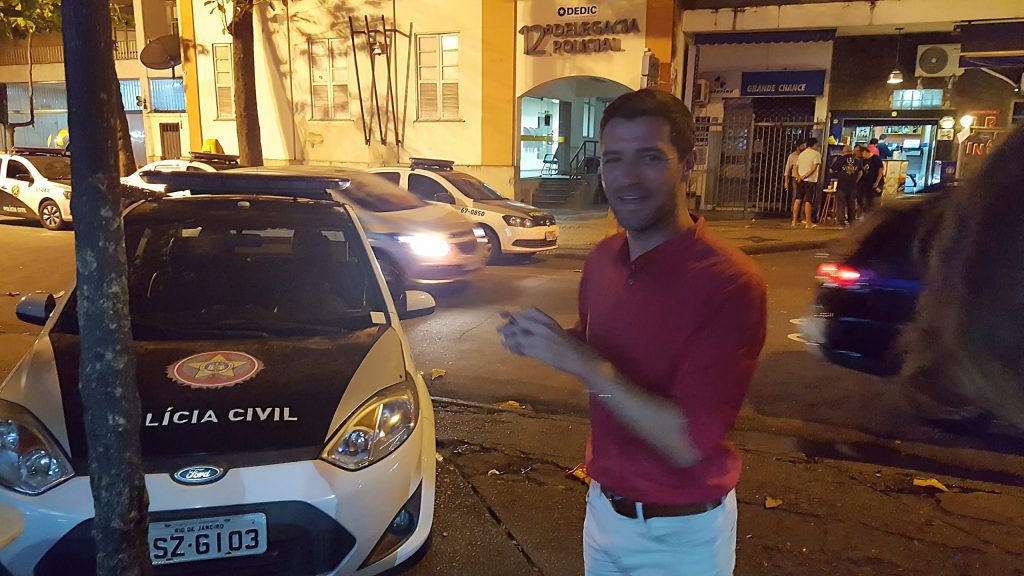

If you’ve ever landed in Brazil and thought, “Wow… there are a lot of police here,” you’re not imagining it. Policing in Brazil is a whole ecosystem, and the reason it can feel confusing is simple: Brazil doesn’t have just one “police.” It has different branches with different jobs, and once you understand that, everything gets way less stressful.
And yes, we’re going to teach you all about the Federal Police in Brazil (the one foreigners most often deal with), and all the other branches too, so you know who’s who, what they do, and what it means for your travel plans, your day-to-day life, or your “I’m actually moving to Brazil” era.
Let’s turn confusion into confidence.
The Big Picture: Why Brazil Has Different Police Forces
This guide covers types of police in Brazil and what each one does. Think of Brazil’s police system like a cast of characters in a TV series:
- One group is in charge of patrolling and responding first (the ones you’ll see the most).
- Another group focuses on investigating crimes (less visible, more paperwork).
- And another has federal responsibilities, including immigration steps that matter a lot if you’re staying long-term.
Also important: many police forces in Brazil are state-based, meaning things can vary depending on where you are (Rio, São Paulo, Bahia, the Amazon… each state has its own realities).
If you only remember one thing, remember this:
Different police = different responsibilities.
Now, let’s start with the one you’ll interact with the most when it comes to visas.
Federal Police in Brazil (Polícia Federal): The One Foreigners Often Need First
If you’re traveling for a short stay, you might talk to the Federal Police only at the airport.
But if you’re planning to move to Brazil, stay long-term, get a student visa, handle residency paperwork, or deal with certain immigration requirements, the Federal Police in Brazil often becomes part of your life story.

What the Federal Police does (high level, foreigner-friendly)
Brazil’s Federal Police is responsible for things that are considered national/federal, especially:
- Immigration and residency processes for foreigners
- Some border-related and airport-related activities
- Certain federal investigations (the big national-level stuff)
For most people reading this Dica, the key point is:
Many visa/moving-to-Brazil requirements involve visiting the Federal Police and submitting documents.
What a Federal Police visit often feels like (the vibe check)
Let’s be emotionally honest: it’s usually not scary. It’s usually… bureaucratic.
Expect:
- appointments (often scheduled in advance)
- documents + copies + confirmations
- waiting rooms
- stamps, protocols, and the feeling that Brazil really loves official paper
If you’re trying to book an appointment or find the official Federal Police website, you’re usually dealing with something administrative—not dramatic.
A tiny checklist for Federal Police visits (foreigner-proof)
Before you go:
- Bring your passport/ID and any required documents (plus copies if you can)
- Bring printed confirmations if you have them (Brazil appreciates paper)
- Bring water, a snack, a pen, and a charged phone
- Arrive early and stay calm. It’s not personal, it’s bureaucracy
Important note: requirements can change depending on your status and location, so always confirm the most current instructions through the official channels before showing up. (This is not legal advice, it’s survival advice.)
Military Police in Brazil (Polícia Militar): The Patrol Police You’ll See Most
If you’re walking around a city, heading to the beach, going to a big event, or just living your normal Brazilian day… the branch you’ll most likely see is Brazil’s military police.
Because the Military Police is the most visible, it’s easy to assume they’re the only police in Brazil—when it’s actually several different branches.

What the Military Police does
In simple terms:
- patrols streets
- responds to urgent incidents
- shows up first in many public situations
- supports public safety in a “frontline” way
What you’ll notice as a visitor
- You’ll see uniforms, vehicles, and very recognizable police cars in Brazil
- You’ll often spot them in tourist zones, transportation areas, crowded streets, and near major events
- In many places, you’ll also notice police women in Brazil, especially in public-facing roles (and yes, women officers are very present)
About the word “military”
The term “military police” can sound intense if you’re imagining tanks and war vibes.
But in Brazil, “military” mainly refers to how the institution is structured. We are talking about hierarchy, discipline, organization under the Brazilian Constitution. For most daily life situations, it simply means: these are the patrol officers.
Civil Police (Polícia Civil): The Investigators (Not the Street Patrol)
Now let’s talk about the branch that many foreigners only discover after something happens, because the civil police Brazil side is more about investigation and follow-up.
What the Civil Police does
In general:
- Investigates crimes
- Handles reports and statements
- Works on cases after the initial incident
So if the Military Police is the “respond now” force, the Brazil civil police is often the “investigate and build the case” force.
When you might interact with the Civil Police
Examples:
- You need to report a theft or loss
- You need a formal report for an insurance claim
- You’re asked to give a statement in an investigation
The cultural reality (said gently)
Civil Police interactions can sometimes feel slow, not because someone is trying to be difficult, but because:
- Brazil is bureaucratic
- offices can be busy
- procedures vary by state
This is where Portuguese helps a lot. Even basic phrases can make the whole experience calmer and clearer. Try our group classes and dealing with brazilian police will be way easier.
Municipal Guard (Guarda Municipal): The City-Level Helpers You Might Actually Meet

The Guarda Municipal is another branch people often notice, but it doesn’t always get mentioned in “police in Brazil” explainers because it’s municipal (city-run), not state or federal.
Here’s the simple way to think about them: they’re public safety and order support at the city level, often focused on protecting public spaces and municipal property.
What the Guarda Municipal typically does (in many cities)
- Presence and support in public areas: parks, squares, beaches, tourist-heavy zones, events
- Helping with municipal enforcement (depending on the city): local regulations, public order issues, city-run spaces
- Supporting traffic/event organization in some contexts (varies a lot by municipality)
- Assisting tourists with directions or basic help in certain areas (especially in big cities)
What you’ll notice as a visitor
- They can look “police-like” (uniforms, vehicles), which is why foreigners sometimes assume they’re the same as Military Police
- Their responsibilities can vary significantly from city to city, so treat them as local public safety agents, not a one-size-fits-all national force
Where this fits in your mental map
- Federal Police in Brazil: immigration/residency and federal matters
- Military Police: street patrol and urgent public situations
- Civil Police: investigations and reports
- Guarda Municipal: city-level public space support and local order (varies by city)
If you are at a tourist landmark (like the Christ Statue) or a city beach, the officers you see in blue or khaki uniforms are often Municipal Guards, not Military Police.
Federal Highway Police (PRF): The Road Trip Police
Planning a road trip? Welcome to Brazil’s highway universe.
The Federal Highway Police focuses on:
- federal highways
- road safety
- enforcement on major roads
If you’re traveling between cities, you might see them on highways or near traffic stops. It’s a specialized branch, not the same as patrol officers in the city.
Special Units (Like BOPE): The One You’ve Heard About (Especially in Rio)
If you’ve watched brazilian movies, documentaries, or read travel threads, you’ve probably heard of BOPE, especially in Rio.
High-level context:
- BOPE is a special operations unit (in Rio, connected to the Military Police structure)
- It became globally famous through media and pop culture
- It’s not something the average tourist encounters in daily life

If you want to learn more about them, check our complete BOPE Dica.
What To Do If You Need Help: A Calm, Tourist-Smart Approach
Let’s keep this practical and grounded. No drama, no panic.
Quick “who does what” cheat sheet
- Federal Police in Brazil: immigration, residency, long-term stay paperwork
- Military Police: visible patrol, urgent public situations
- Civil Police: reports, investigations, follow-up
- Highway Police: federal roads and highways
A few travel-smart habits that help anywhere
- Keep a photo of your passport stored safely (and your entry stamp page if relevant)
- Stay calm and polite. Emotional escalation rarely helps in official situations
- If you don’t speak Portuguese well, try a simple Portuguese opening line first (we’ll help you below)
Real Talk (Without the Drama): Strikes, Myths, and Why Experiences Vary by State
Some people look into topics like police strikes, corruption, violence, shootings, or brutality in Brazil. These conversations exist, and experiences can vary widely by state, city, neighborhood, and context—but they aren’t the everyday storyline for most travelers.
What’s most useful for a traveler or new resident to know:
- Brazil is huge and “the police in Brazil” isn’t one single experience
- Stay informed through reliable sources when traveling
- Avoid turning headlines into assumptions about every place and every moment
If your goal is simply to live, travel, learn Portuguese, and enjoy Brazil responsibly, your best tools are:
awareness, calm decisions, and cultural understanding.
Portuguese Practice: Mini-Dialogue at the Federal Police Office (Appointment Day)

Even if someone speaks English, starting in Portuguese often changes the vibe. It shows respect, helps you feel in control, and makes bureaucracy feel a little less… robotic.
Here’s a mini-dialogue you can actually use at a Federal Police appointment.
| You (foreigner): Bom dia! Eu tenho um agendamento. | English: Good morning! I have an appointment. |
| Staff: Bom dia. Qual é o motivo? | English: Good morning. What’s the reason? |
| You: É para registro de estrangeiro. | English: It’s for foreigner registration. |
| Staff: Documentos, por favor. | English: Documents, please. |
| You: Aqui estão meus documentos. | English: Here are my documents. |
| You: Precisa de cópia? | English: Do you need a copy? |
| You: Falta alguma coisa? | English: Is anything missing? |
| You: Qual é o próximo passo? | English: What’s the next step? |
| You: Onde eu posso acompanhar o processo? | English: Where can I track the process? |
| You: Muito obrigado(a)! | English: Thank you very much! |
Tiny motivation moment:
If you can say these lines with confidence, you’re not just “handling paperwork.” You’re building a real-life Portuguese skill. The kind that makes living in Brazil feel possible.
Conclusion: You’re Not Lost, You’re Just Learning Brazil
Here’s the truth: Brazil has layers. And understanding policing in Brazil (especially the Federal Police in Brazil side of things) is one of those “welcome to real life here” steps that turns chaos into clarity.
So whether you’re traveling, moving, or just deeply curious, you now have the mental map:
- Federal Police for immigration/residency bureaucracy
- Military Police for patrol visibility
- Civil Police for investigations and reports
- Highway Police for road travel
If you want to feel even more at home in Brazil, the next step isn’t just learning systems, it’s learning the language that connects you to people inside those systems.
And if you want help with that, Rio & Learn is here for you: Portuguese that’s fun, human, cultural, and actually useful. The kind you can use in real Brazil, not just textbook Brazil.
Click on the links below to see more related Dicas
Police in Portuguese
BOPE
City in Portuguese
Public Institutions
Professions in Portuguese

Online Academic Coordinator at Rio & Learn Portuguese School.
Experienced educational coordinator and teacher since 2007, adept in curriculum development, creating physical and digital educational materials, and leveraging online platforms to enhance learning outcomes
Berita Terkini
Berita Terbaru
Daftar Terbaru
News
Berita Terbaru
Flash News
RuangJP
Pemilu
Berita Terkini
Prediksi Bola
Technology
Otomotif
Berita Terbaru
Teknologi
Berita terkini
Berita Pemilu
Berita Teknologi
Hiburan
master Slote
Berita Terkini
Pendidikan
Resep
Cek Ongkir Cargo
Togel Deposit Pulsa
Daftar Judi Slot Online Terpercaya
Slot yang lagi gacor

