
When people think about forests in Brazil, the Amazon usually comes first. But along Brazil’s Atlantic coast, another forest has shaped the country’s history, wildlife, cities, and landscapes for centuries: the Mata Atlântica Forest.
Known in English as the Atlantic Forest, the Mata Atlântica is one of the most biodiverse and most threatened forests on Earth. It covers parts of Brazil’s coast and inland regions, reaches into Argentina and Paraguay, shelters thousands of species, and overlaps with the part of Brazil where most people live.
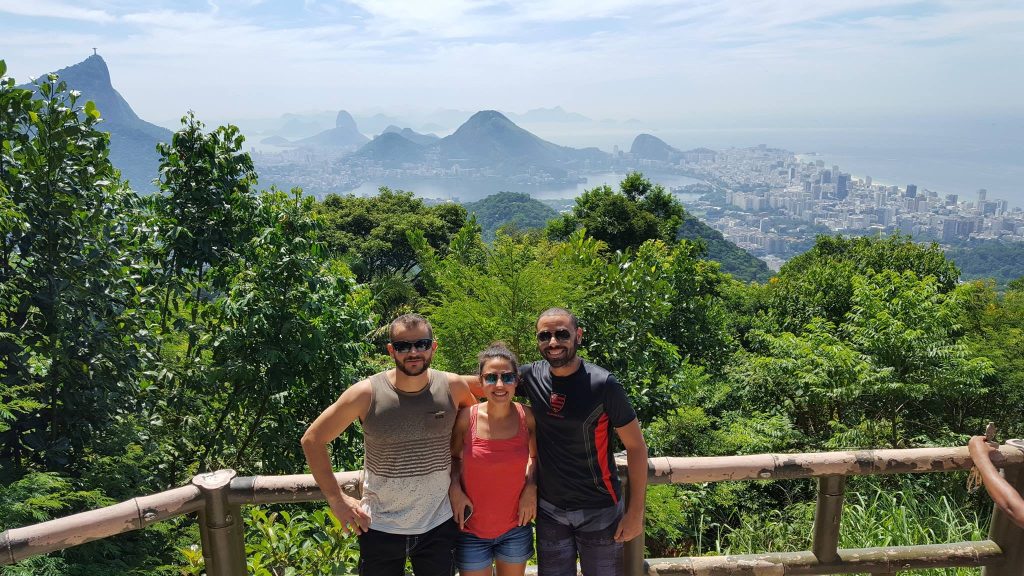
In Rio, it appears in the green slopes around Corcovado and Tijuca. In São Paulo and Paraná, it survives in large protected reserves. In southern Bahia, it appears in coastal forests, reserves, and landscapes where forest and ocean meet.
Mata means forest or woodland, and Atlântica means Atlantic. So Mata Atlântica means Atlantic Forest.
| Mata Atlântica |

|
Quick Facts About the Mata Atlântica
- The Mata Atlântica is mainly in Brazil, but it also reaches Argentina and Paraguay, making it a trinational biome.
- In Brazil, the Mata Atlântica appears across 17 states and is home to around 70% of the Brazilian population.
- The biome is present in 3,429 Brazilian municipalities.
- The Mata Atlântica originally covered around 1.1 to 1.3 million km², including a large part of Brazil’s Atlantic coast and inland regions.
- Around 75% of the original Mata Atlântica has been deforested, making it the most devastated biome in Brazil.
- The Mata Atlântica is one of the world’s top biodiversity hotspots. It has around 20,000 plant species, including 6,000 found only in this biome, as well as 384 mammals, 1,025 birds, 719 amphibians, 350 fish, and 517 reptiles.
- The Mata Atlântica is exceptional for birdwatching, with more than 1,000 recorded bird species.

What Is the Mata Atlântica Forest?
The Mata Atlântica is one of Brazil’s six biomes, alongside the Amazon, Caatinga, Cerrado, Pampa, and Pantanal.
This means the Mata Atlântica is not just one forest, one park, or one protected area. It is a huge natural system made up of different forest types and coastal ecosystems. It includes tropical and subtropical forests, mountain forests, mangroves, restingas, rivers, waterfalls, wetlands, and coastal vegetation.

The Atlantic Forest is especially important because it is extremely biodiverse. Brazil’s Ministry of the Environment estimates that the Mata Atlântica has more than 20,000 species of flora, thousands of which are endemic to the region. Endemic species are species that naturally exist only in a specific place.
Where Is the Mata Atlântica?
The Mata Atlântica Forest is mainly located in Brazil, along the Atlantic coast. It stretches from the northeast of the country down through the southeast and south, following the side of Brazil that faces the Atlantic Ocean.
In Brazil, the Mata Atlântica appears in 17 states: Rio de Janeiro, São Paulo, Bahia, Espírito Santo, Minas Gerais, Paraná, Santa Catarina, Rio Grande do Sul, Pernambuco, Alagoas, Sergipe, Paraíba, Rio Grande do Norte, Ceará, Piauí, Goiás, and Mato Grosso do Sul.
The biome also extends beyond Brazil into parts of Argentina and Paraguay. This makes it a trinational forest system, although most of the Mata Atlântica is in Brazil.
The Atlantic Forest location also explains why it has been so heavily affected by human activity. Brazil’s colonial occupation began along the coast, exactly where much of the original Mata Atlântica grew.

How Big Is the Mata Atlântica and How Much Remains?
The original Mata Atlântica was enormous. Historically, it covered around 1.1 to 1.3 million square kilometers. Brazil’s Ministry of the Environment describes the biome as covering about 1.1 million km² across 17 Brazilian states.
Today, the remaining forest is much smaller and highly fragmented. Different organizations give different percentages because they measure different things: original forest, mature native forest, regenerating vegetation, legal biome area, or total remaining vegetation cover.
That is why you may see different numbers. Some sources refer to around 12% of the original forest remaining in a stricter conservation sense. Other sources refer to broader remaining vegetation coverage closer to 30%.
The Mata Atlântica once covered a vast part of Brazil’s coast, but most of the original forest has been removed or altered. The remaining fragments are important because they protect species, rivers, hillsides, and ecological connections that cannot easily be replaced.
Mata Atlântica in Rio de Janeiro
Rio de Janeiro is one of the most accessible places to experience the Mata Atlântica. The forest appears in the city’s mountains, parks, trails, viewpoints, and protected areas.
Tijuca National Park is the clearest example. It protects an important area of Atlantic Forest inside the city of Rio de Janeiro and includes trails, waterfalls, viewpoints, native vegetation, birds, insects, reptiles, and mammals. The park is also connected to famous landmarks such as Christ the Redeemer and the forested mountains around the city.

Rio makes the Mata Atlântica unusually easy to understand because the forest is part of the city’s scenery. Unlike the Amazon, which many visitors imagine as remote, the Atlantic Forest often exists beside roads, neighborhoods, beaches, and major city landmarks.
This also makes Rio a special place to study Portuguese. If you are visiting the Mata Atlântica in Rio, you can combine nature, culture, and language by joining our in-person Portuguese classes. After seeing the forest on a trail or from a viewpoint, you can continue learning about Brazil through real Portuguese, local teachers, and daily life in the city.
This closeness between forest and city creates pressure from housing, roads, tourism, agriculture, and urban expansion, especially where forest fragments sit beside neighborhoods or highways. That is why conservation in Rio is not abstract: the forest protects hillsides, trails, viewpoints, water sources, and the green backdrop of the city.
Wildlife and Animals of the Mata Atlântica Forest
The Mata Atlântica is home to mammals, birds, reptiles, amphibians, insects, and many endangered species.
Some of the best-known animals found in the Mata Atlântica include:
- Golden lion tamarin, or mico-leão-dourado: one of Brazil’s best-known conservation symbols, especially connected to Atlantic Forest areas in Rio de Janeiro.
- Southern muriqui, or muriqui-do-sul: one of the largest primates in the Americas and a species that depends on healthy forest habitat.
- Jaguar, or onça-pintada: the largest big cat in the Americas, still present in some Atlantic Forest areas but threatened by habitat loss and fragmentation.
- Maned sloth, or preguiça-de-coleira: a slow-moving Atlantic Forest species that lives in the forest canopy.
- Tapir, or anta: an important seed disperser that helps the forest regenerate.
- Toucans: colorful birds that help spread seeds through the forest.
- Hummingbirds: small, fast-moving birds that play an important role in pollination.
- Frogs and amphibians: the Atlantic Forest is especially rich in amphibian life, with many species found only in this biome.

Want to learn more about how to pronounce Animals in Portuguese, check out our Dica on the topic.
The Atlantic Forest is also still revealing new species to science. WWF notes that since 1990, researchers have discovered more than 30 mammal species, nine bird species, and about 100 frog species in the Atlantic Forest.
Birdwatching in the Mata Atlântica
The Mata Atlântica is one of Brazil’s best regions for birdwatching. Its variety of habitats creates excellent conditions for many bird species, including endemic and threatened birds.
Birdwatchers may find toucans, hummingbirds, parrots, tanagers, woodpeckers, hawks, antbirds, and many smaller forest birds. Some are easy to notice because of their colors or calls. Others require patience, a guide, or a trained ear.
Birdwatching is especially strong in protected areas, mountain forests, reserves, and forest fragments with good vegetation cover. Rio de Janeiro, São Paulo, Espírito Santo, Minas Gerais, Paraná, Santa Catarina, and Bahia all have areas where visitors can experience Atlantic Forest birdlife.
This is a strong reason to include the Mata Atlântica in a Brazil nature itinerary. The forest is not only about jaguars, monkeys, and sloths. Much of what makes it special is smaller, quieter life: birds, frogs, insects, and plants living in the canopy, understory, and forest floor.
Fruits and Food Traditions of the Mata Atlântica
The Mata Atlântica is home to native fruits and edible plants that are part of Brazil’s biodiversity and regional food culture. Some are eaten fresh, others appear in juices, sweets, jams, ice creams, and local products.

One example is jabuticaba, a small dark fruit that grows directly on the trunk of the tree. It is sweet, juicy, and very Brazilian. Another is pitanga, a bright red fruit with a strong tropical flavor. Cambuci, a green fruit native to Atlantic Forest areas, is especially connected to São Paulo and is used in juices, desserts, sauces, and artisanal products.
The juçara palm is also important. Its fruit can be used to make a pulp similar to açaí, and sustainable juçara production has become part of some Atlantic Forest conservation projects. This matters because the same plant also supports wildlife and forest regeneration.

These fruits connect the forest to everyday Brazilian life: juice shops, markets, sweets, ice creams, local producers, and conservation projects.
Why Is the Mata Atlântica Important?
The Mata Atlântica matters because millions of people depend on the region it protects.
Its forests help protect rivers, reduce erosion on hillsides, store carbon, cool urban areas, shelter endangered species, and support tourism, science, education, and recreation.

Its human importance is measurable. SOS Mata Atlântica states that the biome covers about 15% of Brazil’s national territory, is present in 17 states, is home to around 70% of Brazilians, and concentrates about 80% of the country’s GDP.
It is located in the region where most Brazilians live and where much of Brazil’s economy is concentrated. Protecting the Mata Atlântica is therefore not only an environmental issue. It is also connected to water security, urban quality of life, public health, tourism, climate resilience, and Brazil’s cultural identity.
Deforestation in the Mata Atlântica Forest
The forest began to suffer major destruction during the colonial period, when pau-brasil was extracted from the coast. Later, sugar cane, coffee plantations, cattle ranching, mining, cities, roads, ports, and industry continued to reduce the original forest.
Because Brazil’s development began along the Atlantic coast, the Mata Atlântica was affected earlier and more intensely than many other Brazilian biomes.
Today, it is considered the most devastated biome in Brazil. Much of what remains exists in fragments. Fragmented forests create problems for wildlife because animals may not be able to move safely between areas. This reduces genetic diversity, limits feeding and breeding areas, and makes species more vulnerable.
For plants, fragmentation also affects seed dispersal, pollination, and the ability of the forest to recover naturally.
In the Mata Atlântica, conservation is not only about preventing new deforestation. It also involves restoring damaged areas, reconnecting forest fragments, protecting rivers, creating ecological corridors, and supporting sustainable land use.

Conservation and Protected Areas
Some of the best-preserved areas are found in parks, reserves, private conservation areas, and UNESCO-recognized sites. The Atlantic Forest South-East Reserves, located in Paraná and São Paulo, are a UNESCO World Heritage Site covering nearly 470,000 hectares. UNESCO describes them as one of the largest and best-preserved domains of the Brazilian Atlantic Forest.
Conservation work also includes reforestation, wildlife protection, environmental education, scientific research, and monitoring deforestation through satellite data.
Organizations such as SOS Mata Atlântica have played an important role in raising awareness and tracking the condition of the biome. Conservation projects for species such as the golden lion tamarin have also shown that long-term protection can make a measurable difference.
Conservation is difficult because many forest fragments sit inside Brazil’s most populated and economically active regions, where land is also needed for housing, farming, roads, and industry. But that also means restoration can benefit many people directly by improving water, reducing heat, protecting hillsides, and creating better urban and rural environments.

Can You Visit the Mata Atlântica Forest?
Yes. The Mata Atlântica is one of the easiest Brazilian biomes for travelers to visit because it exists near many major destinations.
In Rio de Janeiro, visitors can experience the Atlantic Forest in Tijuca National Park and other forested areas around the city. In São Paulo and Paraná, protected areas preserve some of the most important remaining forest. In Bahia, Espírito Santo, Minas Gerais, Santa Catarina, and other states, there are parks, reserves, trails, waterfalls, and birdwatching areas connected to the biome.
A visit to the Mata Atlântica may include hiking, waterfalls, wildlife observation, birdwatching, photography, ecological tours, or simply learning how the forest shapes Brazil’s coastal landscapes.
In Rio, you can also experience these landscapes through our RioLIVE! activities. All of our forest-based RioLIVE! events take place in areas of the Mata Atlântica, including hikes and outdoor experiences such as Sugarloaf Mountain, Dois Irmãos, and Pico da Tijuca. It is a practical way to explore Rio’s nature, see the Atlantic Forest up close, and use Portuguese outside the classroom.
Responsible travel matters. Visitors should stay on marked trails, avoid feeding animals, avoid removing plants, respect protected area rules, take trash away, and choose guides or tours that support conservation.
Discover the Mata Atlântica Forest in Brazil
The Mata Atlântica is not just a forest hidden far from daily life. In Brazil, it appears beside beaches, cities, roads, farms, mountains, waterfalls, and neighborhoods. That is part of what makes it so important.
In Rio de Janeiro, it shapes some of the city’s most famous views, from the green mountains around Tijuca to the forested slopes near Corcovado. In other parts of Brazil, it protects rivers, shelters endangered animals, supports native fruits, and preserves landscapes that have been part of the country’s history since the colonial period.
Learning about the Mata Atlântica helps you see Brazil with more detail. The country is not only Amazon, beaches, samba, and Carnival. It is also urban forest, mountain trails, coastal biodiversity, conservation challenges, and everyday contact between nature and city life.
Click on the links below to see more related Dicas
Amazon Rainforest
Brazilian Trees
Environment in Portuguese
Rio de Janeiro
São Paulo

SEO Content Specialist at Rio & Learn Portuguese School. A native English speaker who arrived in Brazil six months ago and quickly fell in love with the country, Tom focuses exclusively on Brazil-focused content. He combines data-driven keyword research with careful fact-checking in collaboration with Rio & Learn’s Brazilian teachers.
PakarPBN
A Private Blog Network (PBN) is a collection of websites that are controlled by a single individual or organization and used primarily to build backlinks to a “money site” in order to influence its ranking in search engines such as Google. The core idea behind a PBN is based on the importance of backlinks in Google’s ranking algorithm. Since Google views backlinks as signals of authority and trust, some website owners attempt to artificially create these signals through a controlled network of sites.
In a typical PBN setup, the owner acquires expired or aged domains that already have existing authority, backlinks, and history. These domains are rebuilt with new content and hosted separately, often using different IP addresses, hosting providers, themes, and ownership details to make them appear unrelated. Within the content published on these sites, links are strategically placed that point to the main website the owner wants to rank higher. By doing this, the owner attempts to pass link equity (also known as “link juice”) from the PBN sites to the target website.
The purpose of a PBN is to give the impression that the target website is naturally earning links from multiple independent sources. If done effectively, this can temporarily improve keyword rankings, increase organic visibility, and drive more traffic from search results.
