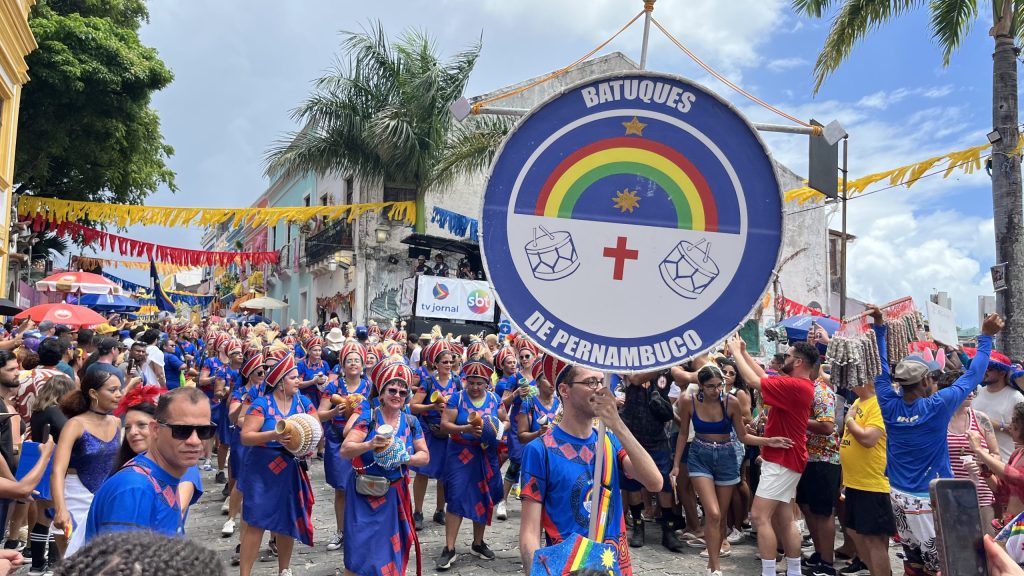

Pernambuco is one of Brazil’s most varied states, combining historic cities, strong cultural traditions, and some of the country’s best-known beach destinations. Add in the warm, crystal-clear natural pools of Porto de Galinhas and the untouched beauty of Fernando de Noronha, and you begin to understand why Pernambuco stands out so strongly.
This guide will take you through everything you need to know about Pernambuco: where it is, what makes it special, the best places to visit, its famous beaches, its rich culture, its food, nightlife, and the best time to go.
Contents
Quick Facts About Pernambuco
- Parts of the Recife coast are also known for shark warnings, making beach safety an important topic for visitors.
- Pernambuco is a state in Northeast Brazil.
- Its capital is Recife, one of the region’s biggest and most important cities.
- The state has a population of around 9.5 million people.
- Pernambuco is known for cultural traditions such as frevo, maracatu, Carnival, and São João.
- Olinda, Porto de Galinhas, and Fernando de Noronha are among its best-known destinations. The state has a strong reputation for regional pride, visible in its history, music, cuisine, and football culture.
Where Is Pernambuco in Brazil?
A map of Pernambuco helps show how the state connects the coast, the Zona da Mata, the Caatinga, and inland cities such as Caruaru and Petrolina, while Fernando de Noronha lies far offshore in the Atlantic.

Along the coast, you’ll find some of Brazil’s most beautiful beaches and island destinations. Just a short distance inland, the landscape changes completely, revealing cultural hubs, festivals, and traditions that feel very different from the beachside experience.
Looking at the map of Pernambuco makes it easier to understand how the state connects coastal life, the Caatinga biome, the Mata Atlântica, and the Zona da Mata region.
Flag of Pernambuco

The flag of Pernambuco is one of the most symbolic in Brazil and reflects the strong identity of its people. Its colors and elements represent freedom, hope, and regional pride, values that are still very present in Pernambuco’s culture today.
Walking around the streets of Recife with our immersive experience, you’re likely to see as many flags of Pernambuco as there are flags of Brazil.
How to Pronounce Pernambuco
“Pernambuco” can look like a tricky word to pronounce at first, but practice with the audio below and you’ll soon get the hang of it.
| Pernambuco |

|
A History of Pernambuco
Pernambuco has played a major role in Brazil’s history since colonial times. It was one of the country’s earliest economic centers due to its sugarcane production, which made it extremely important during the colonial period.
Recife also experienced Dutch influence in the 17th century, leaving a lasting mark on its architecture and urban layout. Nearby Olinda, one of Brazil’s oldest cities, became a symbol of colonial wealth and religious influence, which you can still see today in its churches and historic streets.
Sugarcane made Pernambuco one of the richest captaincies in colonial Brazil, concentrating wealth and political importance in the region.

As you explore Pernambuco, Brazil, you’ll notice how the past blends naturally into everyday life, creating an experience that feels both historical and immediate at the same time.
- Historic churches, plazas, and colonial streets in Olinda
- Dutch-influenced architecture and urban layout in Recife
- Cultural traditions like Carnival, frevo, and maracatu
- A strong regional identity that the Pernambuco people proudly maintain
Indigenous Peoples in Pernambuco
Before Pernambuco had cities, Carnival, or even its name, this land was already full of life. Indigenous peoples lived along the coast and across the interior, shaping a way of living closely connected to nature. Even the name “Pernambuco” is believed to come from indigenous origins, often linked to the idea of a “broken sea” or reefs along the coast, something you can still clearly see today.
Their influence is also alive in the food. Ingredients like cassava, techniques like making farinha, and everyday foods like tapioca all come from indigenous traditions. So even if you don’t always see this history directly, you definitely taste it.
The Dutch Period in Pernambuco
During the Dutch period, the city saw new ideas, new structures, and a different way of organizing urban life. It didn’t last forever, but it left marks that are still part of Recife’s identity.
Another detail that almost no one imagines is that the first synagogue in the Americas, Kahal Zur Israel, was built in Recife, showing how diverse and connected this city already was at that time.
Check out our tip about the Jewish presence in Brazil, where this history appears not only in accounts, but in the places you visit and the culture you truly experience.
Revolts, Resistance, and Regional Identity
In the 19th century, Pernambuco became one of the most important centers of political resistance in Brazil. The Pernambuco Revolution of 1817 was one of the earliest and most serious attempts to break from Portuguese rule, briefly creating a republic in the Northeast. Just a few years later, in 1824, the Confederation of the Equator once again challenged centralized power, showing that Pernambuco was not only economically important during the colonial and imperial periods, but also politically restless and deeply involved in the debates shaping Brazil’s future.
These movements helped establish Pernambuco’s reputation as a state marked by autonomy, strong opinions, and a willingness to confront authority. That image remained part of its identity long after the revolts themselves had ended. In Brazilian history, Pernambuco is often remembered not only for sugar, trade, and colonial wealth, but also for its rebellious political tradition and its role in questioning how power should be organized in the country.

Together, these historical movements and later cultural expressions helped shape Pernambuco’s lasting image as one of Brazil’s most politically assertive and culturally self-aware states. That legacy still helps explain the strong regional identity that visitors notice today, whether in local history, public memory, music, or everyday expressions of pride.

Football is deeply rooted in everyday life across Pernambuco, especially in Recife, where the three major clubs Sport Club do Recife, Clube Náutico Capibaribe, and Santa Cruz Futebol Clube define much of the local identity. Their rivalries are intense and historic, filling stadiums with energy and creating some of the most passionate atmospheres in Brazilian football.
These clubs are extremely important to the state locally, as they have played significant roles in the history of Brazilian football, producing talent, winning national titles, and maintaining passionate fan bases that extend far beyond the state’s borders. One distinctive feature of Pernambuco’s football culture is how strongly local clubs dominate popular support, with less dependence on teams from Brazil’s Southeast than in many other regions.

Pernambuco has produced players who reached the top of world football, and that pride is felt everywhere in the state. Rivaldo, born in Recife, became one of the greatest of his generation, winning the Ballon d’Or and the 2002 World Cup, while Juninho Pernambucano gained global recognition for his precision and legendary free kicks in Europe. In recent years, players like Joelinton have continued this path, taking Pernambuco’s talent to the Premier League and beyond, showing how the journey from local streets to the world stage is still very much alive.
Best Places to Visit in Pernambuco
Recife
Recife is the capital of Pernambuco and, for most travelers, the starting point for trips through the state. Known for its rivers, bridges, and coastal skyline, it’s often called the “Brazilian Venice”.
The city blends history and everyday life in a very natural way. In Recife Antigo, you walk through streets filled with colorful buildings, cultural spaces, and stories from different moments in time. Just a few minutes away, Boa Viagem brings a completely different energy, with beaches and restaurants.

Recife is also one of the strongest cultural centers in the Northeast. Music is everywhere, from frevo and maracatu to live performances in bars and public spaces. Museums, food markets, and local restaurants give you plenty of ways to connect with the city beyond sightseeing.
For travelers who want to experience Recife more deeply, our Recife immersion combines the city itself with its wider metropolitan region, creating more contact with local culture, daily life, and the Portuguese spoken along the way.
Olinda, Pernambuco
Just a few minutes from Recife, Olinda is known for its hillside streets, colonial buildings, churches, and artistic atmosphere.

- Historic streets full of life: colorful houses, local artists, and everyday scenes happening side by side.
- Views from the hills: the ocean suddenly appears between rooftops, especially beautiful at sunset.
- Strong artistic vibe: music, crafts, and culture are part of daily life here.
- A unique Carnival: frevo, giant puppets, and street energy that feels close and intense.
Porto de Galinhas, Brazil
Porto de Galinhas is one of the most famous beach destinations in Brazil, and it’s easy to see why. Just a couple of hours from Recife, this is where many travelers come to experience the classic tropical side of Pernambuco.
The highlight here is the natural pools formed by coral reefs, creating calm, clear waters that feel almost like a natural swimming pool. But Porto de Galinhas is more than just the beach; it’s a place to slow down and enjoy the rhythm of the coast.
- Natural pools: warm, transparent water perfect for swimming and relaxing.
- Raft rides: small boats take you out to the reefs for a closer look at marine life.
- Beach life: restaurants, coconut water, and that easy going seaside atmosphere.
- Perfect for relaxing: this is where you take a break and just enjoy the moment.
Fernando de Noronha, Brazil
Fernando de Noronha is a protected archipelago administratively linked to Pernambuco, known for clear water, marine life, diving, and controlled visitor access. The curious thing, and something many people don’t realise, is that this unique island is very far from Pernambuco, and yet it belongs to the state.
Caruaru, Brazil
Caruaru represents the cultural heart of Pernambuco’s interior. It is especially famous for its São João celebrations, which are among the biggest in Brazil. The city is also known for its crafts and traditional markets, offering a completely different experience from the coast. This is the land of Mestre Vitalino and many other artists who embellish this diverse land.
Other Cities in Pernambuco
Petrolina offers something unexpected: wine tourism in the semi-arid region along the São Francisco River. It’s a unique destination that surprises many visitors.
Garanhuns is known for its cooler climate and its Festival de Inverno, attracting artists and visitors from all over Brazil.
Triunfo, located in the mountains, is a quieter destination with a charming atmosphere and milder weather, perfect for those looking to explore a different side of Pernambuco.
Pernambuco Nightlife: Where the State Comes Alive
In Pernambuco, nightlife is closely tied to music and local celebrations. Recife Antigo concentrates many bars and cultural events, Boa Viagem has a more restaurant-and-bar scene, Olinda’s nightlife often spills into the streets, and Caruaru becomes especially lively during São João.
What to Eat in Pernambuco
The food of Pernambuco has a personality that you feel immediately, even when you’re eating dishes that exist throughout the Northeast. The difference here lies in the attitude, the combinations, and the way the flavor is taken a little further. It’s familiar, but never exactly the same.
Take arrumadinho as a perfect example. You’ll find it in different states, but in Pernambuco it usually comes more stuffed, more seasoned, and appears in restaurants across the state.

Now, let’s look at some ingredients of this and other local dishes:
- Arrumadinho: sun-dried beef, beans, farofa, vinaigrette, sometimes cheese, shrimp, charque (dried beef), shredded cod, or you might find something new and unique. It’s generous, memorable, and usually served in a way that invites sharing, like many meals here. The individual portion can serve two people.
- Tapioca: present throughout Brazil, but in Pernambuco it seems to be part of everyday life. From simple butter fillings to rich combinations with cheese, coconut, or meat, it reflects both tradition and creativity.
- Seafood dishes: along the coast, recipes gain depth with coconut milk, strong spices, and fresh ingredients that come straight from the ocean to the plate.
- São João food: corn-based dishes, such as pamonha and canjica, dominate, bringing a completely different flavor profile, linked to celebration and tradition. Never call “munguzá” “canjica,” it’s like a personal offense.
- Caldinho (a type of soup): This isn’t a dish for cold days, but rather for super hot afternoons by the sea, usually accompanied by an ice-cold beer. This flavorful broth, served in small portions in simple glasses, has become an indispensable beach snack. The most traditional version is bean-based, but you can also find options with shrimp, fish, mussels, tripe, and broad beans. Part of the fun is choosing the accompaniments, with quail eggs, crispy pork, dried beef, olives, and corn, transforming each cup into a personalized experience.
- Buchada de bode: one of the most traditional dishes from the Sertão and Agreste, and definitely not for the unadventurous. It’s made with goat offal like liver, kidneys, and lungs, all finely chopped, heavily seasoned, and cooked inside a pouch made from the animal’s own stomach. The preparation is serious, with careful cleaning and bold seasoning using mint, cumin, garlic, onion, and black pepper. When served, the pouch is opened on the plate, revealing a rich, intense filling, usually eaten with rice, pirão made from the cooking broth, and cassava flour.
- Sarapatel: a traditional and distinctive dish found throughout Pernambuco, from the coast to the interior, especially in local markets. It’s a rich stew made with cooked blood and finely chopped offal, such as heart, liver, and lungs, usually from pork, lamb, or chicken. Everything is cut into small cubes and cooked with strong spices like bay leaf, cumin, and local peppers, often balanced with a touch of vinegar or lemon. The result is a dense, flavorful, and aromatic dish, typically served with cassava flour and chili sauce, and often enjoyed as a true regional snack. This snack is popularly called ‘tira gosto’ to soften the taste of cachaça, which is widely consumed.
Sweet Treats
- Bolo de rolo: one of the greatest jewels of Brazilian gastronomy, officially recognized as Cultural and Intangible Heritage of Pernambuco since 2008. It is made of wheat, eggs, and stands out for its extremely thin layers of dough and guava filling. If you want to make a Pernambucan angry, then call bolo de rolo a rocambole.
- Bolo Souza Leão: here is a rarity. It’s considered the “king of cakes,” with a creamy texture reminiscent of a firm pudding. It’s one of the oldest and most aristocratic sweets in Brazil. What sets it apart is the cassava flour, an abundance of egg yolks, coconut milk, and butter. It must be sifted up to four times to ensure smoothness and avoid an eggy taste.
- Japanese Sweet: despite the name, it has nothing to do with Japan. This classic street sweet is part of Recife’s daily life and comes from traditional treats like quebra-queixo, made with caramelized coconut. The name “japonês” refers to the colorful tray carried by vendors, filled with different flavors like coconut, peanut, sweet potato, guava, pumpkin, and even tapioca. You’ll usually hear it before you see it, announced by a whistle and the iconic call “olha o japoneeeees!”, with each piece served simply on paper, just like it’s always been.
Weather in Pernambuco and the Best Time to Visit
Pernambuco has a tropical climate, with warm temperatures almost year-round. In Recife, average temperatures generally range between 24°C and 30°C.
The rainy season typically runs from March to August, while the drier months, especially September to February, are ideal for beach trips.
If you’re planning your trip based on experiences, Carnival usually takes place in February or March, São João in June, and diving conditions in Fernando de Noronha vary depending on the time of year.
Want to Visit These Places? How to Get Around Pernambuco
Now that you’ve seen what Pernambuco has to offer, getting around is the next step. Most travelers arrive through Recife, which serves as the main hub.
From there, Olinda and Porto de Galinhas are easily accessible. Fernando de Noronha requires a separate flight, while inland destinations like Caruaru, Petrolina, and Garanhuns are best reached by road or as part of a longer itinerary.

Is Pernambuco Safe?
Safety in Pernambuco varies by destination, but the usual urban precautions apply. In Recife, stick to well-known areas such as Boa Viagem and Recife Antigo, avoid deserted places at night, and use ride apps when needed. Olinda is easiest to explore during the day, while beach destinations such as Porto de Galinhas are generally straightforward for visitors. Inland cities are often calmer, though less structured for international tourism, so planning transport and accommodation matters more.
Want to make sure you stay safe in Recife specifically? Check out our Dica on the topic.
FAQs About Pernambuco
Where is Pernambuco in Brazil?
Pernambuco is a state located in the Northeast region of Brazil, along the Atlantic coast. It combines beautiful beaches, historic cities, and inland cultural destinations, making it one of the most diverse states in the country.
Is Recife in Pernambuco?
Yes, Recife is the capital of Pernambuco and the main gateway for travelers visiting the state. It’s one of the most important cities in northeastern Brazil and often the starting point for trips to places like Olinda and Porto de Galinhas.
What is Pernambuco famous for?
Pernambuco is known for its strong cultural identity, especially its Carnival traditions like frevo and maracatu, as well as stunning beaches and destinations like Porto de Galinhas and Fernando de Noronha. It’s also famous for its history, food, and vibrant local culture.
Is Fernando de Noronha part of Pernambuco?
Yes, Fernando de Noronha is an archipelago that belongs to the state of Pernambuco. It’s one of Brazil’s most famous natural destinations, known for its clear waters, marine life, and incredible diving spots.
What are the best beaches in Pernambuco?
Some of the best beaches in Pernambuco include Porto de Galinhas, known for its natural pools, and the beaches of Fernando de Noronha, which are considered among the most beautiful in Brazil. Praia dos Carneiros is another popular option on the mainland.
What are the best cities to visit in Pernambuco?
The most popular cities to visit in Pernambuco are Recife, the capital; Olinda, with its colonial charm; Porto de Galinhas for beaches; and Caruaru for cultural experiences. Other interesting destinations include Petrolina, Garanhuns, and Triunfo.
What is the weather like in Pernambuco?
Pernambuco has a tropical climate, with warm temperatures throughout the year, usually between 24°C and 30°C. There is a rainier season from around March to August, while the drier months are generally better for beach travel.
Is Pernambuco a good destination year-round?
Yes, Pernambuco can be visited all year round. The best time depends on your travel style—drier months are ideal for beaches, while Carnival and São João are perfect for cultural experiences.
Final Thoughts on Pernambuco
Pernambuco stands out for the range of experiences it offers in one state: historic cities, major cultural traditions, strong regional cuisine, and beaches that rank among Brazil’s best-known. For many travelers, Recife, Olinda, Porto de Galinhas, and Fernando de Noronha are enough reason to go, but the interior adds another layer that makes the state feel broader than its coastline alone suggests.
Click on the links below to see more related tips
1817 Pernambuco Revolution
Is Recife safe?
Frevo: The Vibrant Rhythm of Brazil
Brazilian Northeast

Professor de Português como Língua Estrangeira (PLE) desde 2017, especializado no ensino de Português; mestre em Letras pela UFPE, com formação em Linguística Aplicada, Literatura e Semiótica. Recifense, atua na promoção de práticas de ensino voltadas ao uso real da língua em contextos sociais diversos.
PakarPBN
A Private Blog Network (PBN) is a collection of websites that are controlled by a single individual or organization and used primarily to build backlinks to a “money site” in order to influence its ranking in search engines such as Google. The core idea behind a PBN is based on the importance of backlinks in Google’s ranking algorithm. Since Google views backlinks as signals of authority and trust, some website owners attempt to artificially create these signals through a controlled network of sites.
In a typical PBN setup, the owner acquires expired or aged domains that already have existing authority, backlinks, and history. These domains are rebuilt with new content and hosted separately, often using different IP addresses, hosting providers, themes, and ownership details to make them appear unrelated. Within the content published on these sites, links are strategically placed that point to the main website the owner wants to rank higher. By doing this, the owner attempts to pass link equity (also known as “link juice”) from the PBN sites to the target website.
The purpose of a PBN is to give the impression that the target website is naturally earning links from multiple independent sources. If done effectively, this can temporarily improve keyword rankings, increase organic visibility, and drive more traffic from search results.